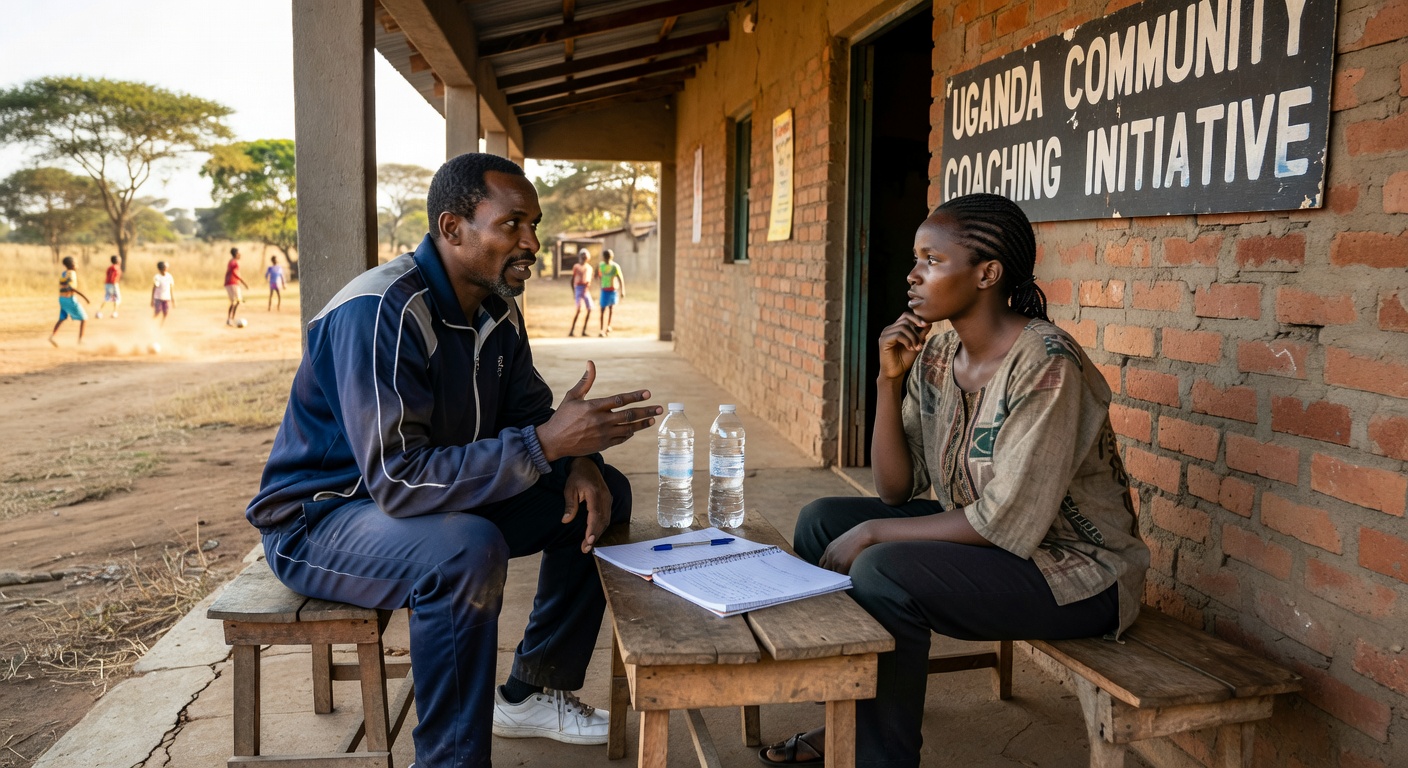
Communication is the lifeblood of every organisation. It is the mechanism through which strategies are shared, decisions are made, relationships are built, and cultures are shaped. Yet despite its fundamental importance, poor communication remains one of the most persistent and costly problems in Ugandan workplaces — and across East Africa more broadly. Misunderstandings, missed deadlines, disengaged employees, damaged client relationships, and leadership failures can nearly always be traced back, at least in part, to a breakdown in how people talk, listen, and connect with each other.
As a communication coach working with organisations across Kampala and the wider region, I have observed a clear pattern: the professionals and teams who invest in developing their communication skills consistently outperform their peers in virtually every measurable dimension. This article explores the most critical dimensions of workplace communication, with practical guidance for applying these insights in the uniquely rich and complex context of the Ugandan professional environment.
The Art and Science of Active Listening
Most people believe they are good listeners. Research consistently shows that most people are not. The average person retains only about 25% of what they hear in a conversation, and much of what they do retain is distorted by their own assumptions, biases, and internal noise. In the workplace, this listening gap leads to misaligned expectations, repeated mistakes, and the pervasive feeling among employees that they are not truly heard or understood.
Active listening is a discipline, not a passive activity. It requires giving your full, undivided attention to the person speaking — not preparing your response while they talk, not checking your phone, not letting your mind wander to the afternoon's agenda. It means asking thoughtful clarifying questions, paraphrasing what you've heard to confirm understanding, and noticing not just the words being spoken but the emotion, context, and meaning beneath them.
In Uganda's professional culture, where hierarchy can sometimes discourage open expression, active listening by managers and senior leaders sends a powerful signal: your perspective matters, your contribution is valued, and this is a space where ideas can be shared safely. The downstream effects on employee engagement, retention, and innovation are profound and well-documented.
Navigating Hierarchy and Directness
One of the most nuanced communication challenges in Ugandan workplaces is the interplay between cultural respect for hierarchy and the need for clear, direct communication. Many Ugandan professionals are raised in environments where challenging authority — or even expressing disagreement — is considered disrespectful. This cultural norm, while reflecting genuine values of respect and communal harmony, can create significant problems in professional settings where clear, honest communication is essential for good decision-making.
The most effective approach is what communication specialists call "respectful directness" — the ability to communicate honestly and clearly while remaining fully respectful of the relationship and context. This means learning to frame disagreement or concern not as opposition but as contribution: "I want to share a perspective that might be useful" rather than "I disagree with you." It means building the psychological safety within your team where people feel comfortable raising issues without fear of social or professional consequences.
For leaders, this requires a conscious effort to model the behaviour you want to see. When a team member brings a concern, how you respond in that moment sends a message to everyone watching. Respond with curiosity and gratitude — "Thank you for raising that; let's explore it together" — and you create a culture where communication flows freely. React defensively or dismissively, and you will ensure that important information never reaches you again.
The quality of your communication determines the quality of your relationships, and the quality of your relationships determines the quality of everything you achieve professionally.
— James Okello, Communication Coach, ProPath Consulting UgandaWritten Communication in the Digital Age
The proliferation of digital communication tools — email, WhatsApp, Slack, Microsoft Teams — has transformed how colleagues, clients, and stakeholders connect. In Uganda's rapidly digitising professional landscape, the ability to communicate effectively in writing has become as important as in-person communication, if not more so. Yet many professionals underestimate how much damage poorly written communication can do to their reputation and relationships.
Effective professional writing is clear, concise, appropriately formal, and considerate of the reader's time and context. It begins with a clear purpose — what do you need the reader to know or do? — and delivers that message efficiently, without unnecessary padding or ambiguity. It pays attention to tone, understanding that words without vocal inflection or facial expression can easily be misread, particularly in cross-cultural contexts.
Developing strong written communication skills requires practice and feedback. Read your emails aloud before sending them — if they sound awkward or unclear spoken, they will read that way too. Seek feedback from colleagues whose writing you admire. Study well-written professional documents and notice how they structure their arguments, use language, and guide the reader. Small improvements in your writing compound over time into a significant professional advantage.
Cross-Cultural and Multilingual Communication
Uganda is one of the most linguistically diverse countries on earth, with over 40 distinct languages and a rich tapestry of cultural traditions. This diversity is a tremendous asset — it brings creativity, resilience, and varied perspectives to the workplace. But it also creates real communication challenges that many organisations fail to address adequately.
Effective cross-cultural communication in Uganda's workplaces requires, first and foremost, genuine curiosity and respect. It means taking the time to understand not just what colleagues are saying but the cultural and linguistic lens through which they are expressing themselves. It means being patient with language differences, avoiding idioms and jargon that may not translate, and checking comprehension without condescension.
For senior leaders, building a truly inclusive communication culture also means being thoughtful about which language is used in meetings, whether important information is accessible to everyone, and how linguistic minorities within the team can be better supported. These are not merely feel-good measures — they are strategic investments in the full participation and contribution of every team member.
Presenting with Confidence and Impact
The ability to present ideas clearly and persuasively — whether to a boardroom, a team meeting, or an external audience — is one of the most visible and valued communication skills in any professional setting. Yet public speaking and presentation consistently rank among the most dreaded activities for professionals at every level. In Uganda, where educational systems have not always prioritised oral presentation skills, this gap can be particularly pronounced.
The good news is that presentation skills are entirely learnable. The most compelling speakers are rarely naturally gifted orators — they have simply practised more, sought more feedback, and been willing to be uncomfortable more often than their peers. Every presentation, even a short team update, is an opportunity to develop this skill.
Preparation is the foundation of confident presenting. Know your material deeply, but do not memorise a script — instead, internalise the key messages and allow yourself to speak from genuine understanding. Practise aloud, ideally in front of someone who will give you honest feedback. Work on your opening: a compelling first 30 seconds sets the tone for everything that follows. And remember that your audience wants you to succeed — they are on your side, not waiting for you to fail.
Conclusion: Communication as a Career-Defining Skill
In the modern Ugandan workplace, where organisations are navigating rapid change, increasing complexity, and growing competition, communication skills are not a soft extra — they are a core professional competency. The professionals who communicate well advance faster, lead more effectively, build stronger relationships, and create more impact than those who neglect this essential dimension of their work.
At ProPath Consulting Uganda, our communication coaching and training programmes are designed specifically for the East African professional context. We help individuals and teams develop the clarity, confidence, and cultural intelligence to communicate with real impact. Whether you are looking to improve your leadership communication, sharpen your writing, or overcome the fear of public speaking, we have a programme designed for you.
Invest in your communication skills. It will be among the best professional decisions you ever make.